Newsletter Subscribe
Enter your email address below and subscribe to our newsletter

 ByJohn A
Getting started with cryptocurrency requires a measured, informed approach. Understand the basics of blockchain, consensus, and security before acting. Decide between wallets, exchanges, and protective practices, then set up a simple, secure wallet and choose a reputable exchange. Begin with a modest purchase and adopt disciplined risk management as markets evolve. Verify data from transparent sources, practice prudent custodianship, and document lessons learned to help navigate future decisions. The path ahead promises ongoing scrutiny and steady steps.
Cryptocurrency operates on a decentralized digital ledger called a blockchain, which records all transactions in a secure, tamper-evident way. The system relies on consensus, cryptography, and nodes validating blocks to preserve integrity.
Switching networks can occur to optimize efficiency, while mining myths persist about instant wealth. Observers should remain cautious, seeking transparent sources and verifiable data to understand foundational mechanisms and risks.
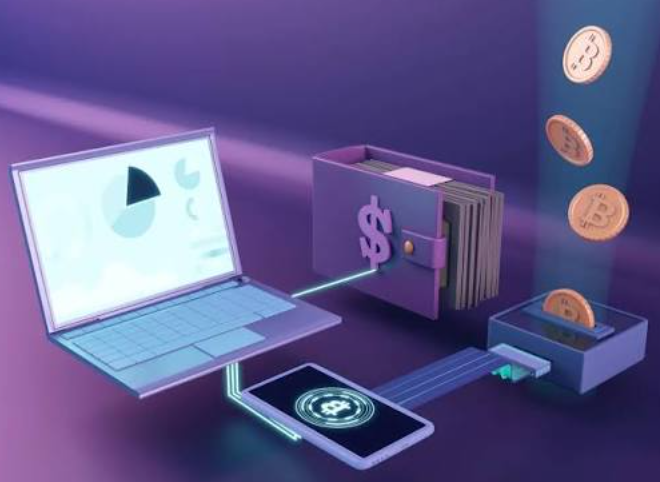
To navigate the crypto landscape effectively, readers should understand the roles of wallets, exchanges, and security measures before committing funds. Wallet selection prioritizes control and compatibility, while exchanges enable liquidity and trading flexibility. Security best practices—two-factor authentication, cold storage when possible, and routine audits—reduce risk. This path emphasizes informed choices, prudent risk assessment, and freedom through responsible custodianship.
Begin small to build confidence and reduce risk: start by setting up a basic, secure wallet and choosing a reputable exchange, then practice with a modest purchase to learn the workflow.
The approach emphasizes disciplined, incremental action, clear policies, and consistent safeguards.
Small steps cultivate risk awareness, reinforcing prudent habits while preserving autonomy and freedom to participate without exposing unnecessary exposure.
A steady path forward involves building a structured approach to learning, tracking, and expanding knowledge about digital assets. The approach emphasizes disciplined study, cautious experimentation, and ongoing assessment of risks. Readers should monitor learning curves, noting pace and comprehension as markets evolve. Knowledge sharing remains essential; deliberate dialogue and curated resources foster resilience, while skepticism safeguards growth and freedom in a dynamic landscape.
Tax treatment varies by jurisdiction, but generally capital gains or income classifications apply; reporting requirements are strict, and losses may offset gains. Crypto trading is high risk investments; regulatory compliance obligations demand careful recordkeeping and disclosure.
Guarded optimism guides buyers: spot scams and evaluate legitimacy by verifying licenses, examining whitepapers, checking reputable audits, and avoiding promises of guaranteed returns. Cautious researchers emphasize skepticism, while maintaining freedom-minded diligence to prevent financial harm.
Insurance for crypto holdings varies; there is no universal policy. A cautious approach involves evaluating exchange, custodial, and personal policy options. Investors should consider investing strategies and security best practices to mitigate risk and preserve freedom.
Yes, can i use crypto for everyday purchases now, but cautiously: many vendors accept select currencies, networks vary, and volatility affects value. The guidance remains careful, informed, and freedom-minded, noting regulatory changes and merchant limitations before commitment.
Token legitimacy should be evaluated by examining token fundamentals and hype indicators; the analysis remains cautious and clear. He considers fundamentals, utility, audits, supply mechanics, team credibility, community signals, and potential overhyped momentum before judging long-term viability.
See also: How to Choose a Secure Crypto Wallet
Cryptocurrency introductory paths emphasize preparation, not hype. A cautious beginner, after reading the basics, sets up a secure wallet, selects a reputable exchange, and makes a modest initial purchase while maintaining safeguards. Visualize risk as a windy coast: data points and transparent sources act like lighthouses, guiding steady progress. In time, ongoing study, diversified holdings, and disciplined risk assessments chart a safer voyage from curiosity to knowledgeable participation. Stewardship and verifiable practices remain the compass.