Newsletter Subscribe
Enter your email address below and subscribe to our newsletter

 ByJohn A
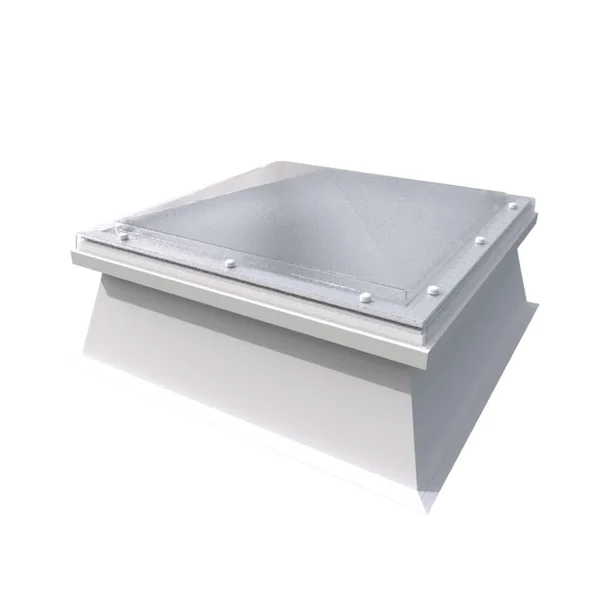
A well-planned extension should feel connected to the rest of the home while providing a comfortable place to cook, relax, work, or spend time with family. Daylight is a major part of that experience, especially in rooms built beneath flat roofs where conventional windows may be limited. Plastic opening rooflights offer one way to introduce overhead light and ventilation without choosing a heavier or more expensive glazing system.
These rooflights generally use plastic glazing materials, such as polycarbonate or acrylic, within a frame designed for roof installation. Their suitability depends on the product’s construction, dimensions, insulation, and intended application. For many homeowners, they provide a practical option for utility rooms, extensions, garages, and other spaces where cost, weight, and ease of use influence the specification.
An extension can add valuable floor space, but it may also reduce the amount of daylight reaching rooms further inside the property. A side window brings light from one direction, which may leave parts of the room relatively dim. A rooflight allows daylight to enter from above and can make the space feel more open.
Opening rooflights add ventilation to this benefit. Fresh air can enter when the unit is opened, while warmer air near the ceiling can escape. This can be useful in kitchens, utility rooms, and other areas where moisture or heat builds up during everyday activities.
The performance of a rooflight depends on its position and surroundings. Nearby buildings, trees, roof orientation, and the size of the glazed area all affect daylight levels. Planning these details early helps homeowners choose a product that suits the room rather than simply selecting the largest available unit.
Plastic glazing is often chosen because it can offer a useful combination of low weight, impact resistance, and practical cost. Polycarbonate, for example, is known for its impact resistance, while acrylic can provide good optical clarity in suitable applications. These materials are not identical, so the product specification matters.
A lighter rooflight may place less load on the supporting structure than a comparable heavier assembly, although the complete frame, opening mechanism, and installation must still be assessed. Reduced weight can also make handling easier for installers, subject to the unit’s dimensions and site conditions.
Plastic glazing is available in different finishes, including clear, tinted, and diffused options. Clear glazing may be suitable where the main aim is to maximise the view of the sky. Diffused glazing can soften incoming light and reduce direct views through the roof, which may be useful in bathrooms or utility spaces.
Homeowners should review the manufacturer’s information about light transmission, UV resistance, impact performance, and expected service life. These characteristics vary by material and product grade.
Opening rooflights can help improve the way air moves through an extension. Cooking produces heat, steam, and odours, while laundry and cleaning can increase indoor moisture. A rooflight that opens provides another route for air to leave the room.
Some models use manual opening mechanisms, while others include electric operation. Manual systems can be suitable for accessible positions, whereas electric versions may be more convenient for high ceilings or rooflights placed above worktops.
Ventilation is most effective when incoming air has a clear route through the room. Opening a rooflight without providing adequate replacement air may limit airflow. Kitchen extraction, bathroom ventilation, and other building ventilation measures should still be considered where needed.
The opening method should also match the room’s regular use. A unit that is easy to operate is more likely to be used consistently, while awkward controls can reduce its practical value.
Budget often influences decisions during an extension project. Construction costs include more than the visible materials: structural work, roof preparation, insulation, waterproofing, electrical installation, and finishing can all contribute to the final price.
Plastic opening rooflights may be less expensive than some alternatives, depending on their size and specification. Their lighter construction can also help simplify handling, although installation costs vary according to roof access and project complexity.
A low purchase price should not be the only consideration. Homeowners should compare warranties, glazing performance, replacement parts, cleaning requirements, and the expected lifespan of the product. A unit that costs less initially may offer poor value if it needs frequent repairs or does not provide sufficient insulation.
Obtaining a complete quotation helps clarify what is included. It should identify the rooflight model, flashing or upstand requirements, installation work, electrical connections where relevant, and any necessary alterations to the existing roof.
Extensions need to remain comfortable through changing seasons. Plastic glazing can perform differently depending on its thickness, construction, coatings, and whether the unit includes multiple glazing layers or an insulating air space.
A rooflight with weak thermal performance may allow more heat to escape during cold weather. In summer, direct sunlight through a large glazed area can increase indoor temperatures. Homeowners should check the stated thermal transmittance, commonly expressed as a U-value, along with the product’s solar and light transmission figures.
The surrounding installation matters just as much. Poor insulation around the opening can create cold spots and increase the risk of condensation. A properly designed roof junction should maintain insulation continuity and provide suitable weatherproofing.
For rooms exposed to strong sunlight, shading or solar-control options may help manage overheating. The right choice depends on the room’s orientation, rooflight size, and intended use.
Plastic opening rooflights are available in styles that suit different extension designs. A simple profile can work well in a practical side extension, while a larger glazed unit may provide a brighter feel in an open-plan kitchen or dining area.
Frame colour and shape influence how the rooflight appears from inside and outside. The internal finish should coordinate with the ceiling, while the external profile should suit the roof covering and surrounding architecture.
A clear unit can preserve a view of the sky, while a diffused finish can create more even light. The decision should be based on the room’s purpose rather than appearance alone. A home office may benefit from reduced glare, for example, while a living area may favour a clearer view.
Plastic glazing requires appropriate care to maintain its appearance. Abrasive pads and unsuitable cleaning chemicals can scratch or damage certain materials. The manufacturer’s cleaning instructions should therefore be followed.
Homeowners should also inspect seals, drainage channels, hinges, and opening mechanisms at regular intervals. Dirt and debris can interfere with drainage, while worn seals may allow water to enter the roof assembly. Any signs of cracking, persistent condensation between glazing layers, or difficulty opening the unit should be investigated.
UV resistance is particularly relevant for roof glazing because the material receives prolonged sunlight exposure. Product quality and protective treatments can affect how well the glazing retains its appearance over time.
Before choosing a plastic opening rooflight, confirm that the product is intended for the roof type and location. Flat roofs, pitched roofs, and exposed sites may require different designs. The installer should also assess structural support, drainage, waterproofing, and relevant building regulations.
The product’s opening size, ventilation performance, and safety specification should suit the room. A standard ventilation rooflight should not be treated as a roof access hatch or emergency escape opening unless it is specifically designed and approved for that purpose.
Plastic opening rooflights can suit homeowners who want daylight and ventilation while keeping weight and upfront cost under consideration. Their performance depends on the material, construction, and quality of installation.
Comparing thermal figures, durability, opening systems, and maintenance requirements helps buyers make a sound decision. With careful planning, a plastic opening rooflight can serve as a useful feature in an extension designed for everyday comfort and practical living.