Newsletter Subscribe
Enter your email address below and subscribe to our newsletter

 ByJohn A
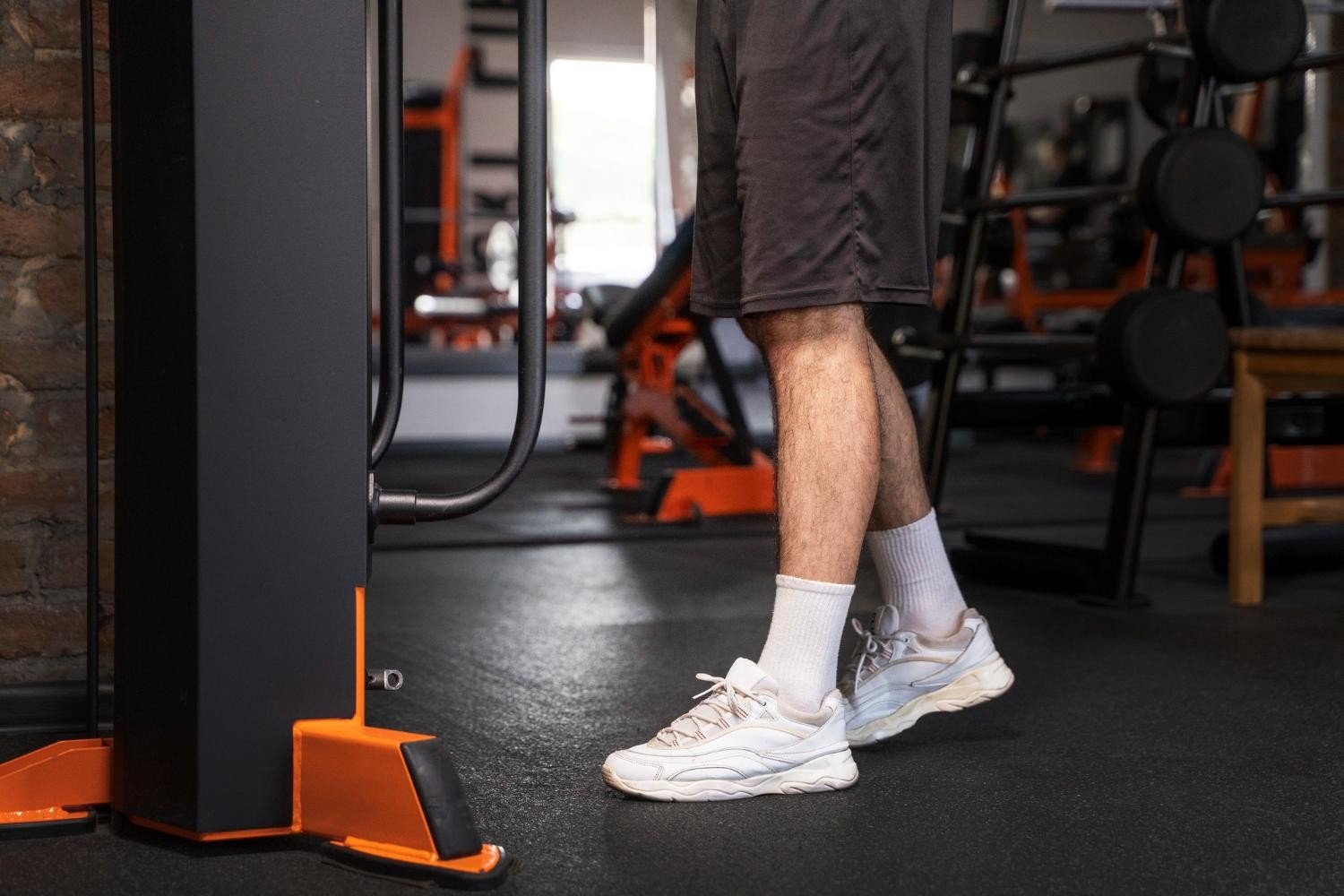
Choosing the right shoes for gym training can influence how comfortable and stable you feel during exercise. While many athletic shoes focus on cushioning and support, minimalist workout shoes take a different approach. They typically feature a lightweight construction, a relatively thin sole, and a design that allows the feet to move more naturally.
For people who prefer a closer connection to the ground during strength training, functional workouts, or selected bodyweight exercises, minimalist footwear can be an option worth exploring. However, these shoes are not automatically suitable for every activity or every person. Their lower cushioning and different structure may require an adjustment period, particularly for people who usually wear traditional athletic shoes.
Understanding the features of minimalist footwear can help you decide whether this style matches your workout routine. Factors such as sole thickness, toe box width, flexibility, traction, and overall fit all contribute to how a shoe performs during training.
Minimalist workout shoes are designed to reduce unnecessary structure and cushioning while allowing greater freedom of movement for the feet. Compared with many conventional athletic shoes, they often have a lighter build, a flexible sole, and a less restrictive upper.
Some models feature a wide toe box that gives the toes more room to spread. Others use a low-profile sole to provide a closer feel to the training surface. The exact design varies by manufacturer, so not every shoe described as minimalist will offer the same features.
Common characteristics include:
These characteristics can appeal to people who prefer a natural-feeling training experience. However, less cushioning also means less protection from impact and hard surfaces, so choosing footwear should depend on the type of exercise you perform.
Before purchasing minimalist footwear, consider how you spend most of your time at the gym. Different exercises place different demands on your shoes, and the best design for one activity may not be ideal for another.
For example, a person who performs controlled strength exercises may prioritize stability and flexibility. Someone who spends a large part of the session running or jumping may need greater cushioning and impact protection.
Strength training includes exercises such as squats, lunges, dumbbell presses, and controlled resistance movements. For some of these exercises, a firm and stable platform can help you maintain consistent contact with the floor.
Minimalist shoes with a low-profile sole may appeal to lifters who prefer less cushioning beneath their feet. A secure fit and reliable grip are especially important when performing exercises that require controlled foot placement.
However, people who perform heavy squats or Olympic weightlifting may prefer dedicated lifting shoes with a rigid sole and elevated heel. Minimalist footwear is not a universal replacement for specialized weightlifting designs.
Functional workouts may include bodyweight exercises, lunges, carries, and movements that involve changing direction. A flexible shoe can feel comfortable during some of these activities, particularly when the design allows natural foot movement.
Check the outsole carefully if your routine includes lateral movements. Flexibility alone does not guarantee adequate side-to-side support, so the shoe should feel secure during the exercises you intend to perform.
Exercises such as planks, controlled squats, and certain balance movements may work well with low-profile footwear, depending on the surface and individual needs.
The shoe should allow comfortable positioning without slipping or creating pressure around the toes. Some people also perform selected bodyweight exercises barefoot where permitted and appropriate, but gym rules, hygiene, surface conditions, and personal comfort should guide that decision.
Minimalist footwear is not necessarily the best option for running, jumping, or other repetitive high-impact activities, especially for beginners. Shoes with less cushioning provide less material between the foot and the ground, which may make a sudden change uncomfortable.
If running is an important part of your training, choose footwear specifically suited to your running experience, comfort needs, and intended distance. Do not assume that a minimalist design will improve performance simply because it allows greater flexibility.
The sole is one of the defining features of minimalist footwear. Many models use thinner soles than conventional athletic shoes, allowing the wearer to feel the training surface more directly.
This closer ground feel can be appealing during controlled movements, but it also means that the shoe may provide less protection from sharp objects, rough surfaces, and repeated impact.
When comparing sole designs, consider the following factors.
A thinner sole does not automatically make a shoe better for exercise. The right balance depends on the movement, surface, and amount of impact involved.
For gym training, test how the shoe feels while standing, walking, and performing gentle bodyweight movements. If the sole feels uncomfortable or provides insufficient protection, consider a different design.
The toe box is the front section of the shoe that surrounds the toes. In some traditional athletic shoes, the front narrows considerably, which can feel restrictive for people with wider feet.
Many minimalist models use a wider toe box to allow the toes to spread more naturally. This can be useful for people who prefer additional room during standing exercises and controlled movements.
When checking the toe box, pay attention to these details:
A roomy toe box should not be confused with an oversized shoe. The heel and midfoot still need to fit securely, particularly when you move or change direction.
If you have broad feet, compare the actual shape and width of different models rather than relying only on the size printed on the label. Sizing can vary between brands, and some conventional shoes may fit better than certain minimalist designs.
Flexibility is another feature commonly associated with minimalist shoes. Many models use soft uppers and bendable soles that allow the foot to move through a wider range of motion.
This design may feel comfortable during selected exercises, but the amount of flexibility should suit your training requirements. A shoe that bends easily may not provide enough structure for activities that require substantial lateral support or protection.
Before buying, consider how the shoe responds to normal movement.
Avoid choosing footwear based only on how easily it bends in your hands. The overall fit, outsole grip, and performance during movement are equally important.
Minimalist footwear also does not force everyone to move in the same way. Individual anatomy, training history, and exercise technique influence how a shoe feels and functions.
Heel-to-toe drop refers to the height difference between the heel and forefoot of a shoe. Many minimalist designs use a low drop or a zero-drop platform, where the heel and forefoot sit at approximately the same height.
This differs from some conventional athletic shoes, which elevate the heel relative to the front of the foot.
A low-drop design can create a different standing and walking experience. Some people prefer it because the foot feels closer to the ground, while others find that it requires an adjustment period.
Consider these points when comparing heel designs:
Heel-to-toe drop is not the same as sole thickness. A shoe can have a relatively thick sole with a low drop, or a thinner sole with a different heel profile.
If you are used to shoes with a raised heel, moving directly to zero-drop footwear may change how your ankles, calves, and feet feel during activity. Transition gradually rather than immediately using the new shoes for long workouts.
Comfort during exercise depends partly on the materials used in the shoe. Minimalist footwear often uses lightweight uppers to reduce bulk and allow greater flexibility.
Mesh and textile materials can improve airflow, which may be helpful during warm-weather workouts or long gym sessions. Synthetic overlays can add structure in areas that experience repeated movement or friction.
Look for the following features when assessing materials:
Lightweight construction can make shoes feel less bulky, but it should not come at the expense of appropriate durability. If you train frequently, inspect the stitching, sole attachment, and upper material before making a purchase.
Also consider maintenance. Some minimalist shoes can be cleaned easily, while others require specific care to preserve their materials and shape.
A flexible shoe can still perform poorly if the outsole does not grip the floor or the foot moves excessively inside it. Traction and stability should therefore be considered alongside flexibility and ground feel.
During strength exercises, you want the shoe to remain secure against the floor. During functional movements, you may also need enough grip to control changes in direction.
Look for an outsole with a tread pattern suitable for your gym environment. The sole should not slide easily across the surfaces where you plan to train.
Before using a new pair for demanding exercises, check whether it feels secure during gentle movements.
These checks can help identify an uncomfortable fit, but they do not replace proper technique or safe exercise practices. If the shoe feels unstable, choose a different model rather than trying to compensate by changing your movement unnecessarily.
Foot shape is an important part of footwear selection. People differ in foot width, arch height, toe alignment, and overall proportions. As a result, the same shoe can feel comfortable for one person and restrictive for another.
Minimalist footwear is sometimes associated with wider toe boxes and flexible construction, but these features vary by model. Always check the actual design rather than relying on the category name alone.
When assessing fit, look at the entire foot.
Some people need additional space across the forefoot, while others prefer a more closely fitted shape. The shoe should provide enough room for comfortable movement without allowing the foot to slide.
Minimalist shoes often provide less structured arch support than certain conventional athletic shoes. Some wearers find this comfortable, while others prefer a more supportive interior.
There is no single arch design that works for everyone. If you use prescribed orthotics or have specific support requirements, make sure the shoe is compatible with them and seek professional advice when needed.
A secure heel is important for controlling foot movement. Even a shoe with a wide toe box should hold the rear of the foot comfortably without causing rubbing or slipping.
If a shoe repeatedly causes pain, numbness, or persistent discomfort, stop using it for the activity and consider consulting a qualified healthcare professional.
One of the most important considerations is the adjustment period. People who have spent years wearing cushioned athletic shoes may experience a different sensation when switching to footwear with less cushioning and a lower heel.
The muscles and tissues of the feet and lower legs may be exposed to different demands. A sudden increase in activity using minimalist shoes can cause soreness or discomfort, particularly when the shoes are used for running, jumping, or long workouts.
A gradual transition is a more sensible approach.
Begin by wearing the shoes for short, low-intensity sessions if they feel comfortable. Avoid immediately using them for every workout or for extended periods of walking.
Start with familiar, controlled movements rather than high-impact training. Pay attention to how your feet and lower legs respond during and after the session.
Only increase the duration or intensity when the footwear feels comfortable and your body has adjusted. There is no universal transition schedule because individual needs and previous training experience vary.
Mild unfamiliar sensations may occur during a change in footwear, but sharp pain, persistent soreness, or worsening discomfort should not be ignored. Stop the activity and seek appropriate advice if symptoms continue.
Minimalist footwear is an option, not a requirement for effective training. You can continue using conventional shoes if they better match your comfort and exercise needs.
Minimalist workout shoes are available at different price points. The cost often depends on materials, construction, brand, and specialized features.
A higher price does not necessarily mean that a shoe will be more comfortable or suitable for your routine. It is more useful to identify the features you need and compare models accordingly.
Before purchasing, consider:
If shopping online, review the size chart carefully. Look for information about the actual sole construction, heel-to-toe drop, and intended use rather than relying solely on product images.
Customer reviews may help identify recurring sizing or durability concerns, but personal fit can differ considerably. Check the return policy so you can address fit problems if the shoes do not meet your expectations.
Regular care can help preserve the condition of minimalist footwear. Because some models use flexible materials and relatively thin soles, it is useful to inspect them frequently for wear or damage.
Follow the manufacturer’s cleaning instructions and allow the shoes to dry naturally after use.
A practical maintenance routine includes:
Replace footwear when the sole becomes damaged, the grip deteriorates, or the fit no longer feels secure. A shoe that has lost its structural integrity may no longer be appropriate for its intended exercises.
If you use minimalist shoes for different activities, remember that wear patterns may develop at different rates. Check the areas that experience the most contact with the floor.
They are commonly used for selected strength exercises, bodyweight workouts, and other activities where a lightweight design, flexibility, or a closer connection to the floor is preferred. Their suitability depends on the specific shoe and the demands of the activity.
They can be suitable for certain gym activities, particularly controlled strength exercises and some bodyweight movements. However, they may not offer enough cushioning for repetitive high-impact exercise or enough specialized support for every type of lifting. Choose according to your routine and comfort needs.
Beginners can consider them, but people who are unfamiliar with low-cushioning footwear should transition gradually. Start with short, controlled sessions and monitor how your feet and lower legs respond. Conventional athletic shoes may be a better starting point for some people.
Some people run in minimalist footwear, but it requires careful consideration and a gradual transition. Less cushioning may increase the demands placed on the feet and lower legs. If you are new to running or have a history of discomfort, seek appropriate guidance before making a substantial footwear change.
Minimalist shoes generally use less cushioning, a more flexible structure, and sometimes a wider toe box or lower heel-to-toe drop. Conventional training shoes vary widely but may provide more cushioning, structure, or specialized support.
Arch support varies by model. Many minimalist designs provide less structured support than conventional athletic shoes, but they are not all identical. Check the product details and consider your individual comfort requirements before buying.
They should provide enough toe room for natural movement while holding the heel and midfoot securely. Your toes should not be squeezed, and the shoe should not slide excessively during movement. A secure, comfortable fit is more important than choosing a particular size number.
There is no fixed adjustment period. It depends on your previous footwear, activity level, exercise selection, and individual response. Begin with short sessions and increase use gradually only when comfortable. Stop and seek advice if pain or persistent discomfort develops.
Minimalist footwear offers a different approach to gym training by emphasizing lightweight construction, flexibility, and a closer connection to the ground. These features can appeal to people who prefer less cushioning, but they are not suitable for every activity or every individual.
Before choosing a pair, consider your main exercises, foot shape, sole thickness, heel-to-toe drop, traction, and material quality. Test the fit carefully and allow time for adjustment if you are moving away from conventional athletic shoes.
The most appropriate shoe is the one that supports your training needs while providing a secure and comfortable fit. By comparing practical features rather than focusing only on appearance, you can make a more informed decision for your gym routine.